soft bristle kids' toothbrushes

Filter

Showing 5 of 5 products

they'll rush to brush

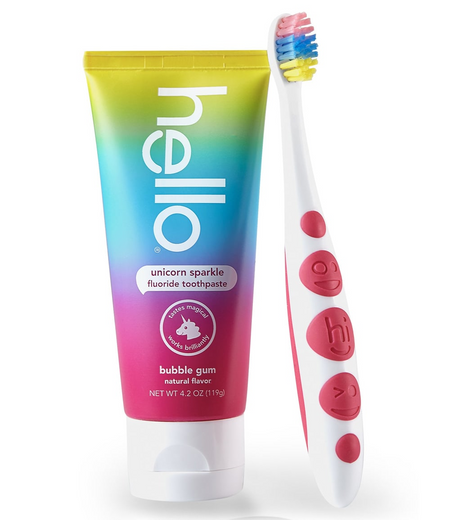
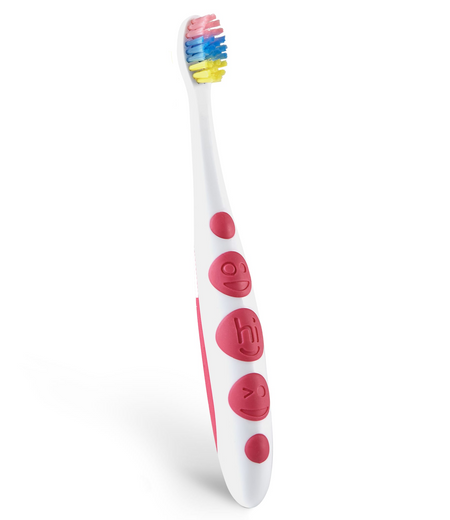
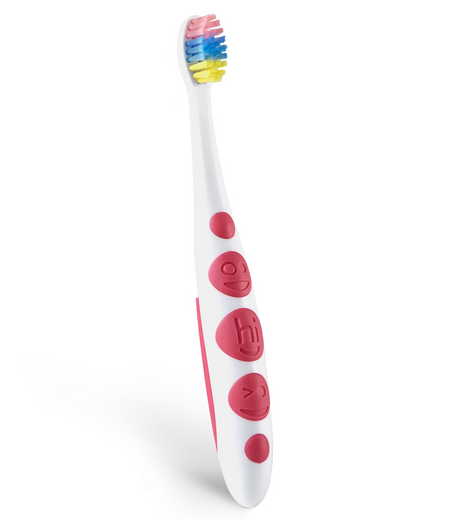
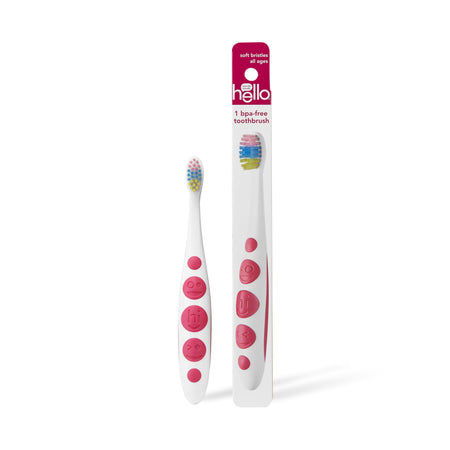
a kids toothbrush is the small piece of plastic-and-bristles that decides whether brushing their teeth happens with a smile or a standoff. hello's manual kids toothbrushes are designed to skew the oral health odds in your favor: fun, colorful patterns kids actually find enjoyable, small brush heads that fit small mouths, and a soft bristle toothbrush for kids does the cleaning work just as well, especially when paired with a kid-friendly anti cavity toothpaste and the right brushing technique (twice a day, about two minutes, with a little parental supervision in the early years).

designed for small hands & small heads

choosing the right soft bristle kids toothbrush comes down to three things: head size (small enough to reach the back molars), handle size, and bristle softness. most professional dental guidance leans toward soft bristles for kids, they're easier on young developing gums than firmer ones, and the ada recommends swapping the brush every three to four months, or sooner if the bristles start to splay (which, with kid-grade brushing technique, happens faster than you'd think). round out little-mouth brushing with a kids toothpaste and a kids mouthwash.

faqs

soft bristles are the standard oral care recommendation for kids of all ages, and for good reason. they're gentler on developing teeth and gums than medium or hard ones, which can be tougher on enamel and irritate gums over time. a soft bristle toothbrush for kids does the cleaning work just as well, especially when paired with a kid-friendly toothpaste and the right brushing technique (twice a day, about two minutes, with a little parental supervision in the early years). your pediatric dentist is the right person to weigh in if your kid has unique needs.

kids toothbrushes follow the same replacement rule adult ones do (every three to four months per the american dental association) but in practice, they often need swapping sooner. kid brushing technique tends to be more enthusiastic than precise, which means frayed bristles show up faster, and a worn-out brush cleans less effectively than a fresh one. keeping a backup brush in the drawer is the easiest way to never get caught at bedtime with a brush that's seen better days.